31 3月, 2026
Practical storage approaches for gaming, home files, creative work and video
You clear your phone storage before a trip so the camera keeps working. You scrub a console drive to fit one more install. You pay more each month for cloud storage that still feels cramped. Files end up scattered across devices and accounts; backups happen inconsistently. Eventually, you delete files that still matter, lose work you might need again, or waste time redownloading content you already had.
Nobody wants to make these compromises. They’re forced by storage limits that haven’t grown as fast as the data filling them.
In IDC’s latest Global DataSphere forecast, analysts observe that “the global DataSphere continues to expand.” They estimate that in 2025 the world generated 213.5 zettabytes (ZB) of data — and project that this number will more than double to 527ZB in 2029, with a CAGR of about 25%. As our data keeps growing, so does the need to store and protect it.
Think of higher-resolution photos and video, larger games, bigger creative projects and always-on video recording. Users’ installed storage devices aren’t keeping pace with their need to store and preserve more data. That gap creates friction, compromises and poor decisions.
World Backup Day is a good time to rethink that pattern. The goal is to manage more data in a way that doesn’t force your decisions. Consider a three-pronged strategy:
This strategy applies across different use cases. Only the tactics change.
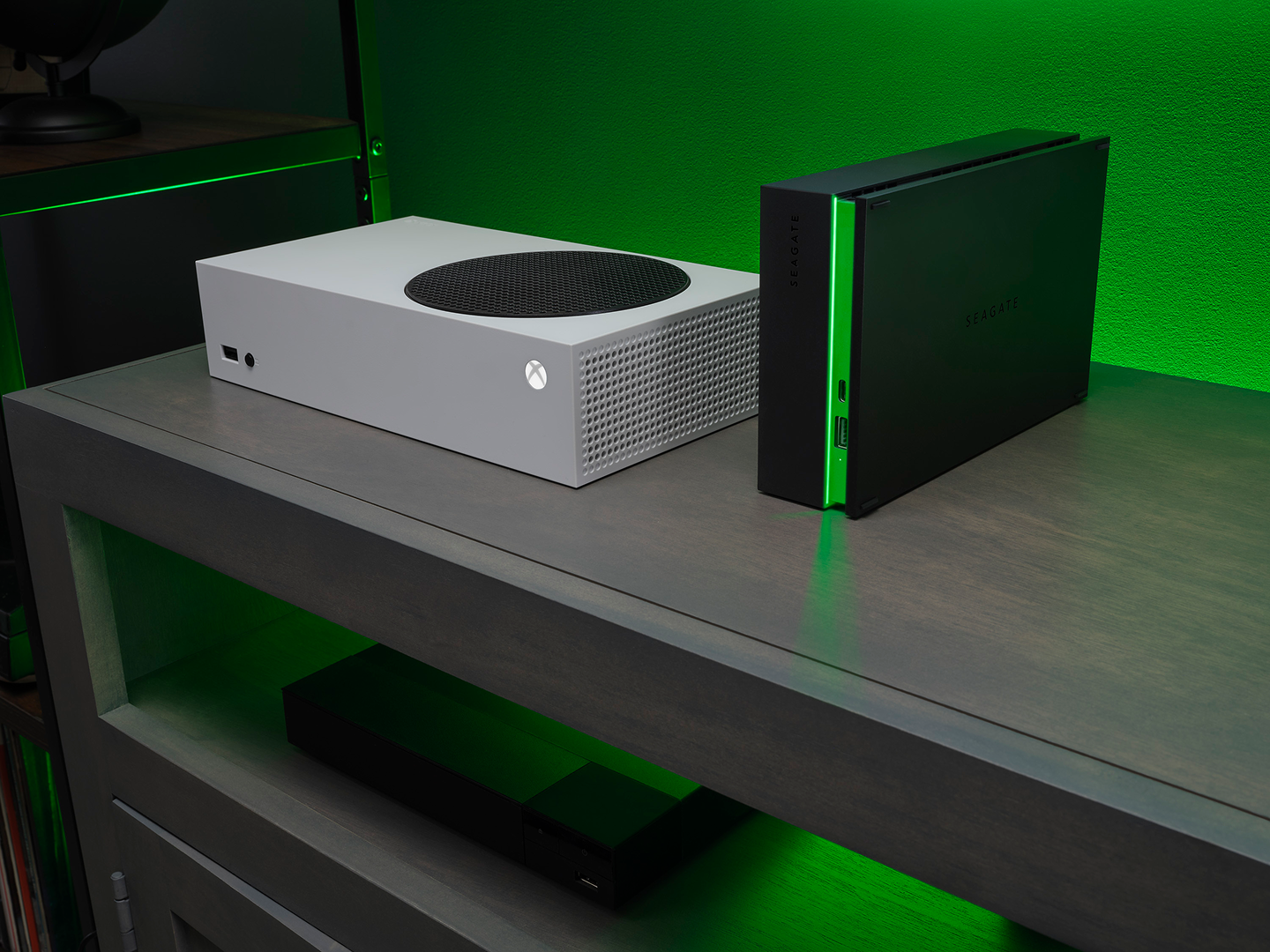
Today’s major studio games (known as AAA titles) can demand 100GB or more. A TechSpot analysis found that major PC game installs averaged about 11GB in 2012. Modern AAA releases now routinely exceed 100GB, with many titles like Call of Duty and Final Fantasy VII Rebirth reaching 120–160GB, according to GameRant. Throw in gameplay captures and clips and your primary drive can eventually become overwhelmed. Storage fills fast, creating a tedious cycle: delete, redownload, repeat.
The fix: more capacity. A Seagate portable Game Drive or Game Drive Hub keeps your full library installed and your captures stored separately, freeing your primary SSD for gameplay. Less time managing storage, more time playing.
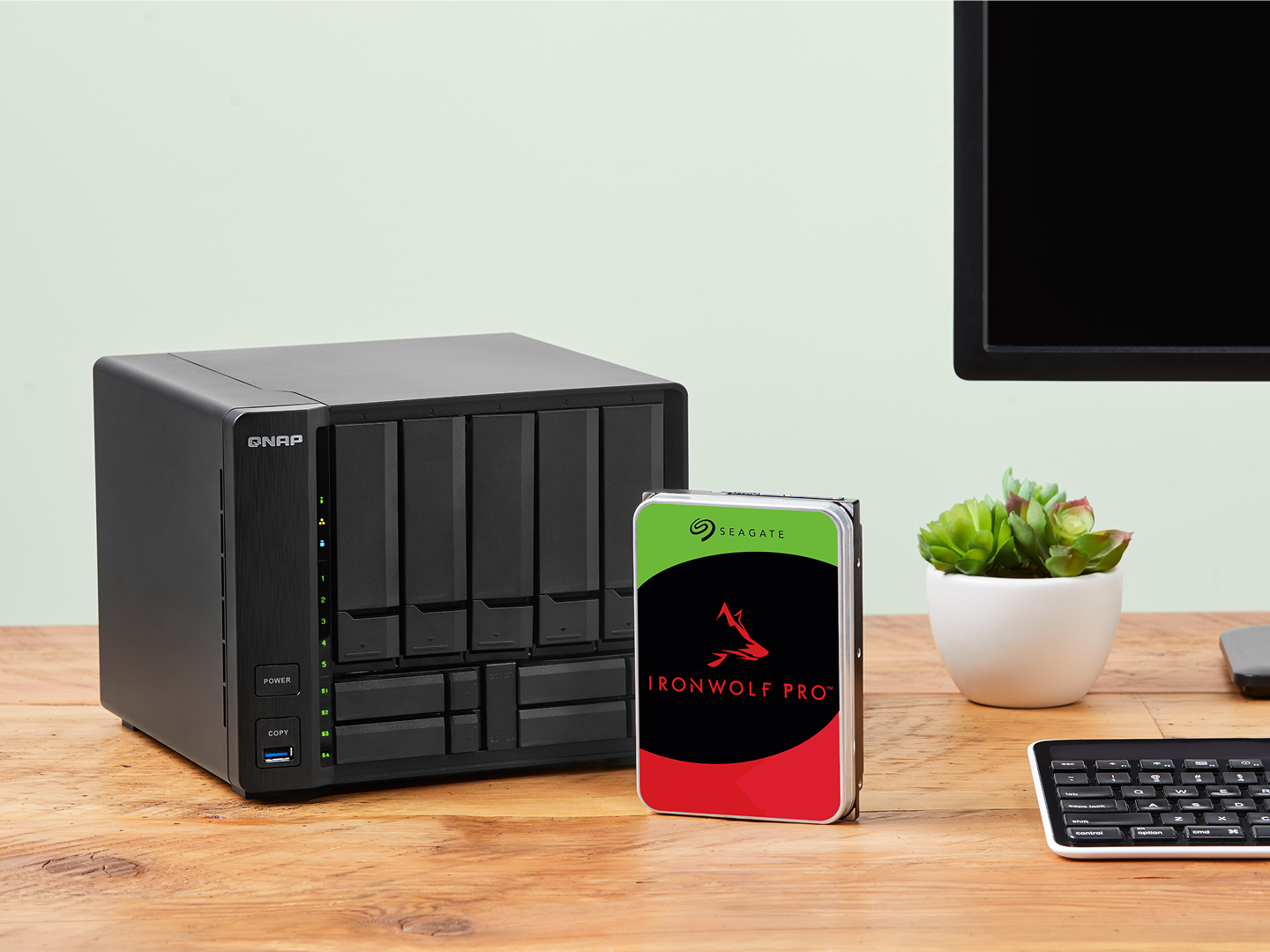
If your household has generations of family photos, years of tax returns and a media library you’ve built since college, your files live on a menagerie of mobile devices, cloud accounts and dusty thumb drives. Duplicates multiply, things disappear, the monthly cloud bill keeps climbing.
A network-attached storage (NAS) appliance puts capacity and control on your network for a one-time cost, enabling a tiered storage strategy:
IronWolf® and IronWolf Pro NAS drives support any use case with a wide range of capacities up to 32TB per drive. You can store more with fewer drives, make fewer upgrades and reduce complexity while keeping costs predictable. You can swap in more capacity and change protection methods as needed, with IronWolf Health Management for proactive monitoring and peace of mind with included three-year Rescue Data Recovery Service.
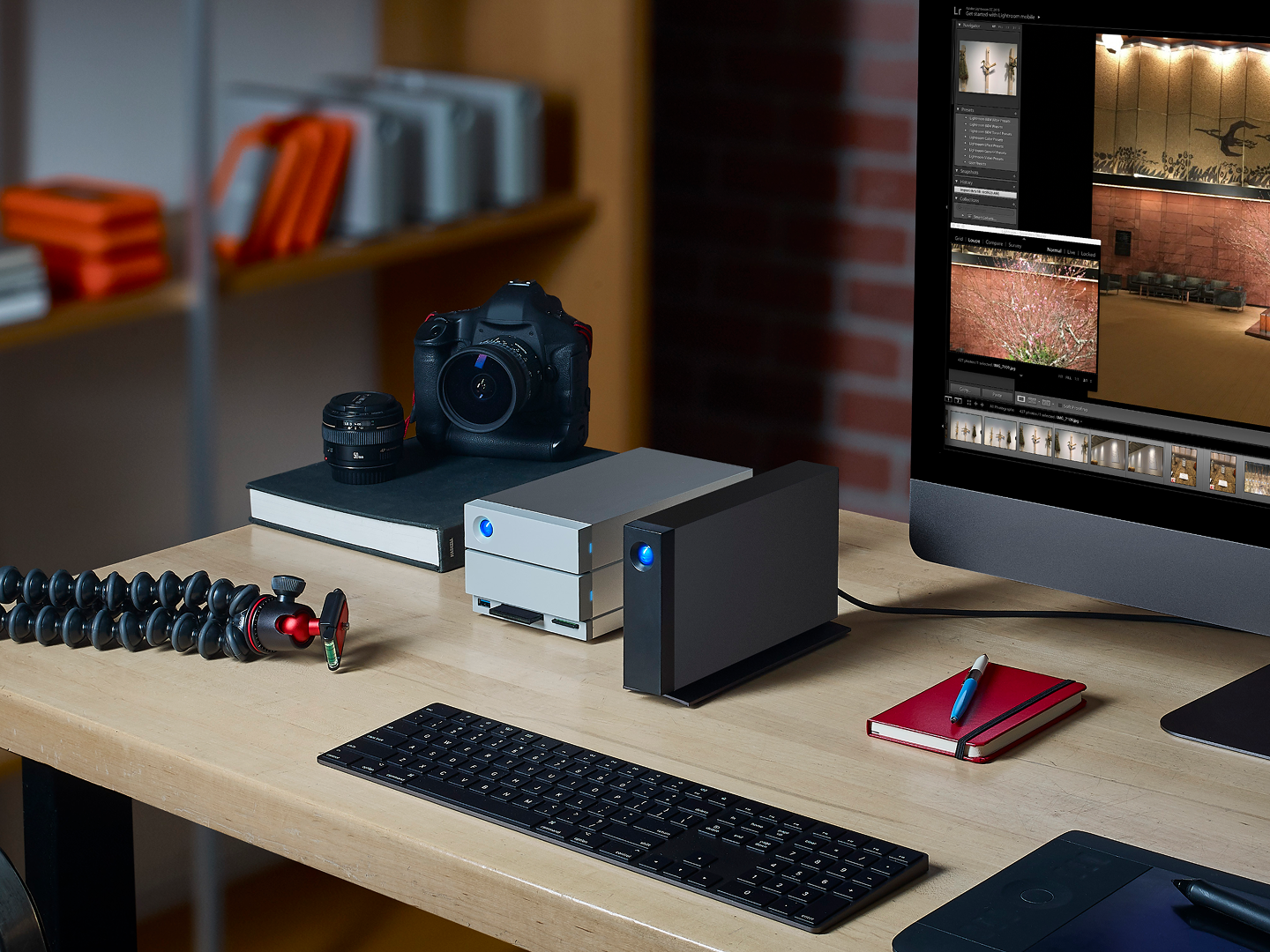
A single 4K video project generates hundreds of gigabytes of material before a single export. Every version, render and deliverable adds to the pile. Clients come back for re-edits months later, content gets repurposed for new campaigns and licensing deals surface when least expected.
Final deliverables get top protection priority, but it’s the source files, project assets and intermediate renders that make re-edits possible. Protecting pre-final assets from the moment they hit your workstation reduces risks like missed deadlines, lost revenue or costly re-shoots.
A three-tier storage approach reflects how creative work happens.
These three layers reduce disruption, minimize risk and create an accessible archive.
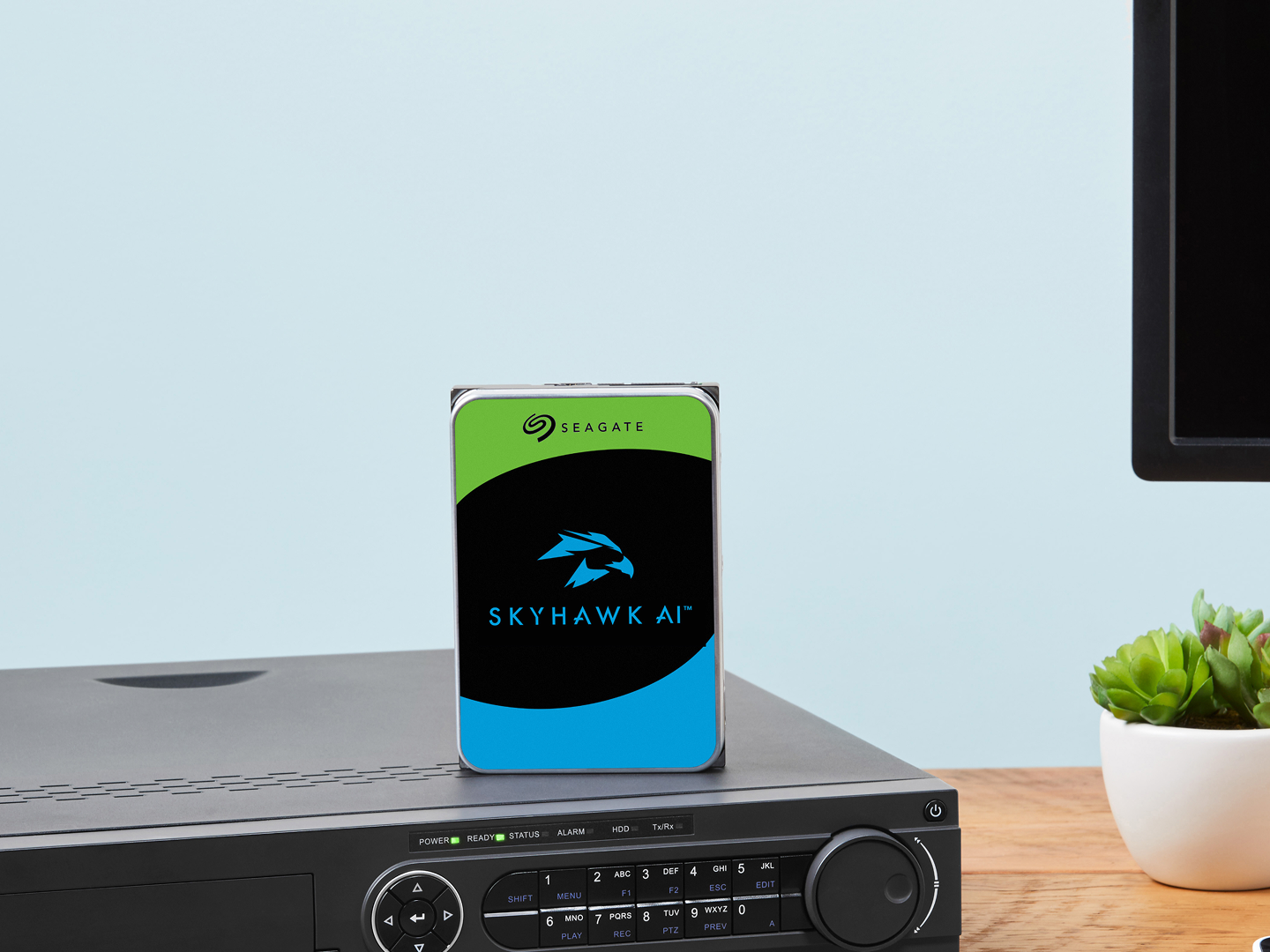
Video systems for security, operations or compliance generate data around the clock. A single camera writes several gigabytes per day and most deployments run multiple cameras. As organizations add coverage or raise resolution, storage requirements compound fast.
Trouble arrives quietly. Retention periods shorten “just for now.” Storage management demands time. Risk climbs as libraries face gaps, glitches and human error.
Follow a tiered structure with purpose-built products:
Each tier scales independently as data grows, keeping retention predictable and operations simple.
| If you’re… | Your first move | Consider |
| Always clearing space on your console or PC | Back up your game library to an external drive | Seagate gaming drives |
| Scattered across devices and cloud accounts | Pick one dependable home base for long-term files | Seagate IronWolf NAS drives |
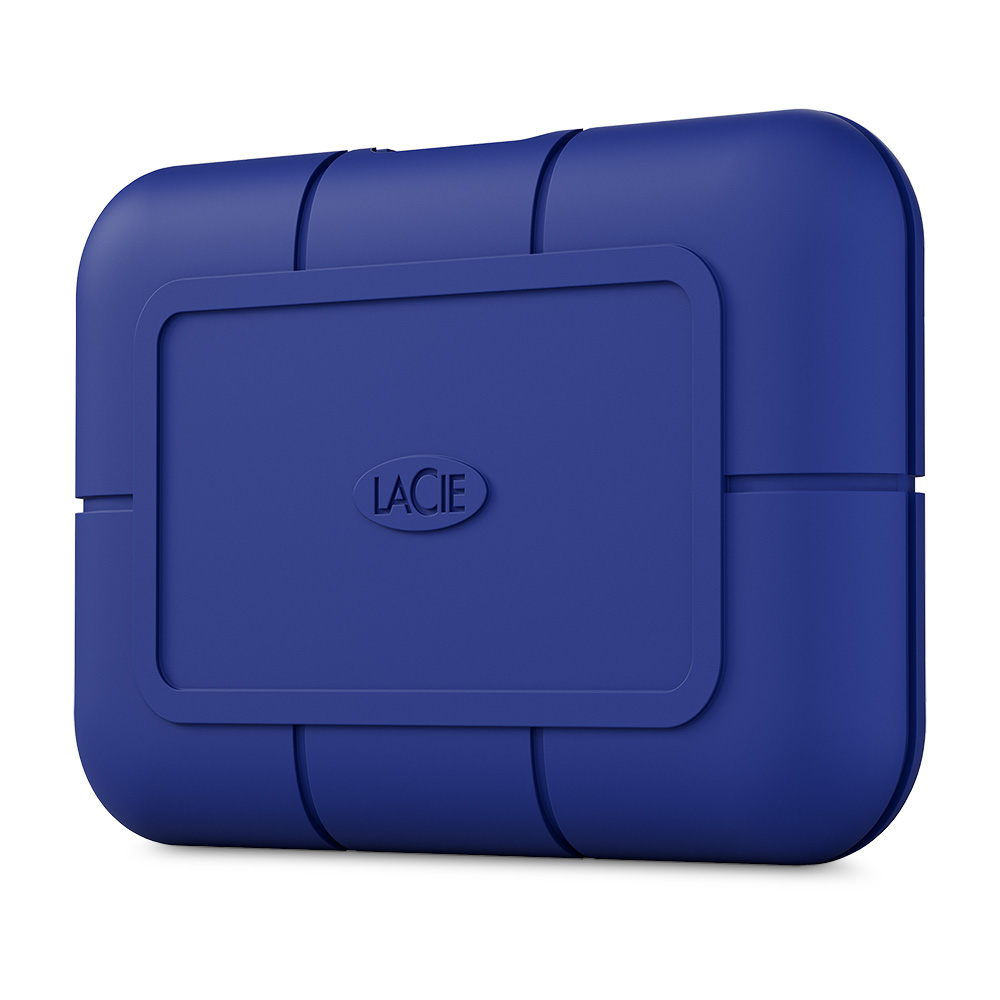
| Creating content and running out of fast storage | Separate active projects from your archive | LaCie drives for creative professionals |
| Managing video retention that keeps growing | Plan storage for real growth, not best-case estimates | Seagate SkyHawk video and analytics drives |
You shouldn’t have to delete what matters to make room for what’s next. World Backup Day is a good time to (re)build a habit that scales with you.
Discover the backup solutions that work for your needs.