Tijdens het Semafor World Economy-forum van deze week kwamen beleidsmakers, wereldleiders en CEO’s uit de technologiesector, zoals ikzelf, bijeen om te spreken over de economische kansen die de toekomst van onze wereld zullen bepalen.
Het zal waarschijnlijk geen verrassing zijn dat het overheersende thema tijdens het driedaagse forum was hoe de ongekende technologische transformaties op het gebied van AI, clouddiensten en verbonden systemen ingrijpende kansen creëren, waardoor wij allemaal met nieuwe complexiteiten te maken krijgen en op nieuwe manieren moeten innoveren.
Het is begrijpelijk dat de nadruk tot nu toe vooral ligt op de manier waarop we de technologische infrastructuur opbouwen om de volgende groeifase te ondersteunen. En hoewel de krantenkoppen zich richten op het tekort aan geheugen, missen ze het grotere geheel. Wat we nu zien, is niet louter een beperking aan de aanbodzijde — het is het gevolg van een ongekende toename in zowel de hoeveelheid gegenereerde data als de waarde die aan die data wordt toegekend. Gegevens zijn niet langer louter een handelswaar of kostenpost, maar zijn uitgegroeid tot een steeds belangrijker strategisch bezit voor landen, bedrijven en individuen. Deze troef stimuleert innovatie op het gebied van kunstmatige intelligentie, automatisering, doorbraken in de gezondheidszorg, economische kansen en concurrentievoordeel.
Denk hier eens over na: AI heeft in slechts anderhalf jaar tijd 15 miljard foto’s gegenereerd, een hoeveelheid waarvoor voorheen 150 jaar nodig was. Eén minuut video neemt 100 keer meer ruimte in beslag dan een afbeelding in hoge resolutie. Naarmate de hoeveelheid gegevens toeneemt, stijgt ook de waarde ervan … maar alleen als deze gegevens worden opgeslagen, beveiligd en als betrouwbaar worden beschouwd.
We gaan een nieuw tijdperk van gegevensdecentralisatie tegemoet — opslag in de cloud, zeker, maar steeds dichter bij de verwerkingsomgevingen aan de rand. Dit is van cruciaal belang voor opkomende technologieën zoals robotica en autonome systemen, die tegen 2035 meer dan 20% van alle wereldwijde gegevens zullen genereren, wat neerkomt op meerdere zettabytes per jaar.
Vanuit ons perspectief bij Seagate zien wij AI als een van de drijvende krachten achter deze decentralisatie, maar niet als de enige. Moderne computertoepassingen — met name die welke gebruikmaken van ongestructureerde videogegevens — zorgen voor een toenemende vraag naar opslag met een enorme capaciteit, zowel in de cloud als aan de rand.
De belangrijkste vraag die onze klanten stellen, is: Hoe kan infrastructuur zodanig worden geschaald dat datagroei een langetermijnvoordeel wordt in plaats van een beperking? Het antwoord ligt in innovatie op het gebied van gegevensopslag.
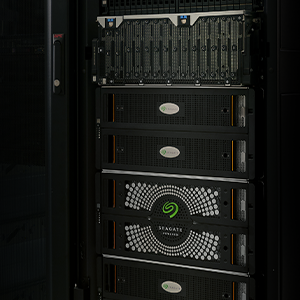
Ongeveer 80% van alle gegevens ter wereld wordt opgeslagen op harde schijven, en de techniek die hierachter schuilgaat, is ronduit opmerkelijk. Vandaag leveren wij schijven met een capaciteit van 40 TB, dankzij doorbraken op het gebied van fotonica op nanoschaal en microlasertechnologie, waardoor onze klanten hun opslagcapaciteit kunnen uitbreiden zonder dat dit ten koste gaat van de benodigde ruimte.
De innovatieve technologieën in deze aandrijvingen zijn buitengewoon: ze worden aangedreven door robots op nanoschaal die gegevens sneller kunnen opslaan dan de vleugelslagen van een kolibrie, op sporen die smaller zijn dan vijf atomen. Alleen al in het afgelopen kwartaal heeft Seagate 190 exabytes geleverd, wat neerkomt op miljoenen van deze nanorobots aan het werk.
Nu deze ingrijpende technologische veranderingen elkaar beginnen te kruisen, ben ik van mening dat we ons op een keerpunt bevinden. De aandacht is wereldwijd gericht op AI-modellen en -toepassingen, maar in de discussie moet ook de data zelf aan bod komen: de bescherming, herkomst, integriteit en normen ervan. Dit is niet alleen een technologische uitdaging, maar ook een economische, maatschappelijke en veiligheidsnoodzaak.
Als we op een weloverwogen en gezamenlijke manier met data omgaan – op het gebied van technologie, economie en beleid – kunnen we de enorme waarde ervan benutten en nieuwe kansen creëren voor een betere wereld.
De belangrijkste conclusie is duidelijk: Innovatie op het gebied van opslag vormt de basis waarop al het andere is gebouwd, of het nu gaat om AI, de cloud, geavanceerde productie of welke digitale doorbraak dan ook. Ik ben er nu meer dan ooit van overtuigd dat degenen die meer gegevens kunnen opslaan, er sneller toegang toe hebben en kunnen vertrouwen op de integriteit ervan, de komende decennia een doorslaggevend voordeel zullen hebben op het gebied van economisch concurrentievermogen en veiligheid.
Lees meer over de nanotechnologische innovaties van Seagate.