Key takeaways
- Data remains on storage devices unless it’s permanently and irreversibly removed, creating security and compliance risks
- Not all sanitisation methods provide the same level of protection; differences affect risk and reuse potential
- Effective data sanitisation enables organisations to safely reuse infrastructure while supporting sustainability and regulatory goals
What is data sanitisation? Why does it matter?
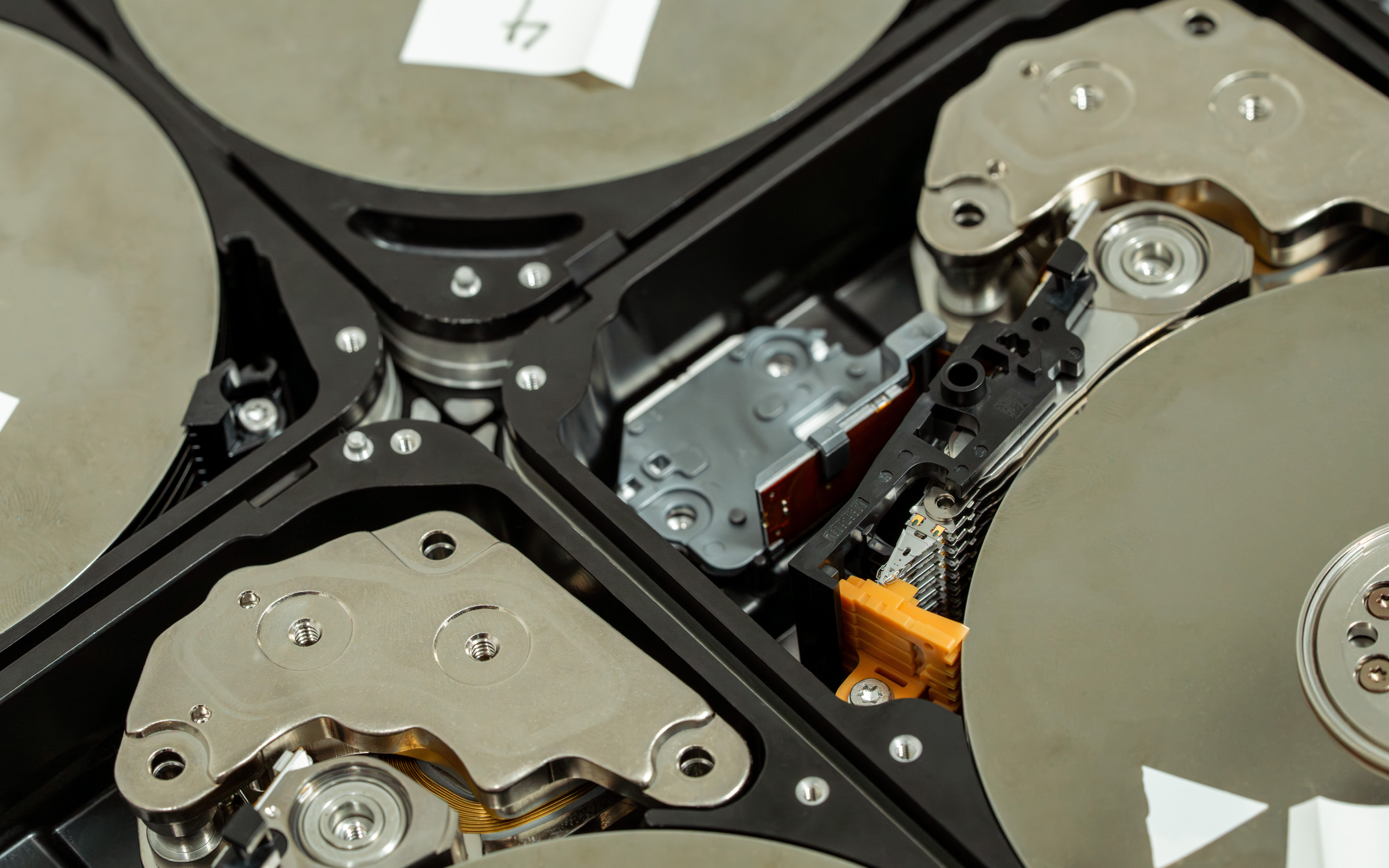
When a storage device reaches its end of life, the data on that drive does not disappear.
Hard drives are constantly being retired, repurposed, shipped or recycled. They often leave controlled environments and move through logistics, third-party facilities or disposal channels. However, if the data on those drives isn’t properly and permanently removed, it can still be recovered.
Data sanitisation is the process of permanently and irreversibly removing information from storage media so that it cannot be reconstructed by any known method.
Data remnants create real risk — security, compliance and even financial or reputational risk.
At the same time, organisations are under pressure to operate in a more sustainable manner. Reusing and recertifying storage devices reduces waste and extends product life. But reuse only works if the data is truly gone.
Data sanitisation solves these concerns.
The three methods of data sanitisation
While there are three methods of data sanitisation — destruct, clear and purge. Seagate considers purge the primary method.
- Destruct: mechanically or magnetically destroying the device components
- Clear: Removes data from user-addressable areas of a storage device
- Purge: Eliminates all data remnants.
It is often assumed that deleting files or formatting a drive solves the problem. However, removing data from user-accessible areas, such as using overwrite or reset commands, means that data can remain in hidden regions of the drive. Information often remains in parts of the device that standard tools don’t reach. That includes areas not visible to the operating system, such as hidden sectors, over-provisioned space, or firmware regions. If data can be recovered, even partially, it can still be exploited.
More advanced approaches remove data from all areas of the device, including those hidden regions. They use techniques such as cryptographic erase or specialised sanitise commands designed to make recovery impossible.
Why it matters now
Organisations are managing more data than ever. That means more devices, more lifecycle transitions — and more opportunities for data to be mishandled. For teams managing large volumes of storage, data sanitisation makes a big difference. It affects risk, cost, and what can be done with hardware after it leaves service.
A strong sanitisation approach allows organisations to achieve a balance of sustainability priorities, regulatory adherence and internal governance standards.
Read the full data sanitisation white paper to understand methods, standards, and how your organisation can benefit.