Wanneer u door de zalen van het Computer History Museum (CHM) in Santa Clara, Californië, loopt, bevindt u zich temidden van de evolutie van de informatica — van machines ter grootte van een kamer uit het midden van de 20e eeuw tot de gestroomlijnde, draagbare apparaten van vandaag.
Maar naast de openbare tentoonstellingen is er nog een minder zichtbare uitdaging: het bewaren van de enorme hoeveelheden gegevens die in de loop van de geschiedenis van de informatica zijn gegenereerd.
Het CHM zet zich in voor een enorm omvangrijk digitaliseringsproject. Het museum beheert momenteel bijna twee mijl aan fysieke documenten, waaronder papieren archiefstukken, film en andere kwetsbare materialen — die allemaal worden omgezet naar digitale formaten. Zodra deze bestanden zijn gedigitaliseerd, moeten ze veilig worden opgeslagen, geordend en voortdurend worden onderhouden om ervoor te zorgen dat ze op lange termijn toegankelijk blijven.
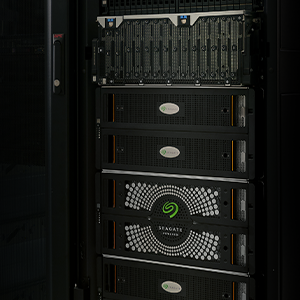
Aangezien het museum zijn digitale archieven blijft uitbreiden, is een moderne infrastructuur van cruciaal belang om de toegankelijkheid te waarborgen. Om het behoud van de digitale geschiedenis van de wereld te ondersteunen, heeft Seagate één petabyte aan geavanceerde gegevensopslag geschonken. De donatie van Exos®-harde schijven met een capaciteit van 24 terabyte, gebaseerd op Mozaic™-technologie, zal de ruggengraat vormen van het opslagsysteem op petabyte-schaal.
De vernieuwde opslagruimte zal ook ondersteuning bieden aan OpenCHM, het onlangs gelanceerde digitale toegangsplatform van het museum, waarmee het publiek de collecties van het CHM kan verkennen, waaronder historische broncode en interviews met pioniers op het gebied van informatica.
Dankzij de donatie van Seagate kunnen het CHM — en het grote publiek — de waarde van historische gegevens behouden en benutten om toekomstige technologische vooruitgang te boeken.
Lees meer over de Mozaic-technologie waarop deze schijven zijn gebaseerd en lees het volledige verhaal over de inspanningen van het CHM om het verleden, het heden en de toekomst te bewaren in hun nieuwste blogbericht.