Products
Knowledge Base
Support Downloads
Articles
suggested searches


You're just [0] away from FREE shipping!
Your cart
You're just [0] away from FREE shipping!
Your cart
CloudFest 2026: Data center expansion in Europe
News and Events
Extracting more value from every watt, square meter and hard drive

“The Sustainability of Everything” was the theme of this year’s CloudFest in Europa-Park, Germany. That theme was not simply a reminder to think green. It was also a call to action to extract more value from every watt, every square meter and every component in the infrastructure stack.
This is imperative for the industry, because the demand for digital transformation and the supply of available resources are increasingly at odds.
On the demand side are AI and data sovereignty:
On the supply side are real-world constraints:
For decades, the industry defaulted to building bigger — more racks, more halls and more mega-watt campuses. Today, progress depends on rethinking the fundamentals rather than expanding the footprint.
One overlooked lever is areal density. In simple terms, it refers to the amount of data stored on the surface of each disk within the hard drive.
It’s a rather technical concept with practical implications. Higher density means more data per drive — say, 44 terabytes (TB) rather than 30TB. That means fewer drives per deployment, which reduces power draw, cooling requirements, physical footprint and total infrastructure cost.
At the exabyte scale of many cloud and enterprise data centers, these advantages add up. Higher density platforms can cut the power requirements of a deployment by nearly half, while reducing cooling demand and the number of racks required.
In a world of strained grids and mandatory sustainability targets, greater density isn’t just an engineering milestone. It’s an essential lever for efficient expansion.
Learn more about optimizing data center efficiency here.

Vice President, Europe Sales

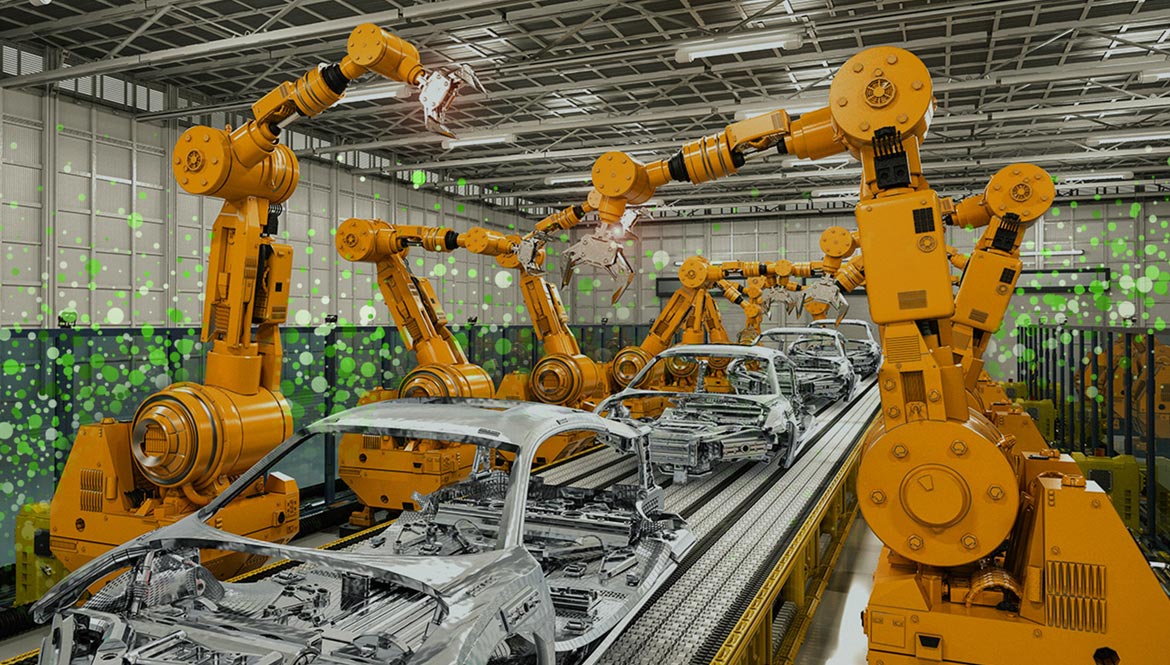
45% of data created by IoT will be stored, processed, analyzed, and acted upon at or near the edge of the network by 2019. In order to enable the digital revolution, increases in affordable storage capacity and performance continue to be critical aspects of business growth.