Les données deviennent le principal moteur des décisions en matière d’infrastructure à mesure que les charges de travail d’IA se diversifient
La planification des infrastructures repose depuis longtemps sur la stabilité : les organisations sélectionnaient des plates-formes, validaient des technologies, standardisaient leurs architectures, puis les faisaient évoluer de manière cohérente et efficace.
Cette approche évolue à mesure que davantage d’initiatives d’IA dépassent le stade des projets pilotes pour passer en production.
Les équipes doivent désormais prendre en charge un éventail croissant de charges de travail, d’environnements de déploiement et d’exigences métier, tout en respectant les impératifs de gouvernance, de conformité et de souveraineté. Certaines applications d’IA s’exécutent dans des clouds publics, tandis que d’autres restent déployées sur site ou en périphérie.
Parallèlement, l’accélération des évolutions technologiques multiplie comme jamais auparavant les choix de modèles et les options de déploiement. L’enjeu n’est plus autant de retenir une architecture standard unique que de conserver suffisamment de flexibilité pour s’adapter.
Les modèles deviennent de plus en plus interchangeables au sein des flux de travail d’IA. Les organisations peuvent orienter différentes tâches vers différents modèles en fonction du coût, des performances ou des besoins métier. Des modèles d’IA performants apparaissent dans un éventail d’environnements plus large, allant des infrastructures hyperscale aux appareils locaux. Les fournisseurs d’infrastructures anticipent également des architectures de calcul plus modulaires avec des composants remplaçables.
Tout cela témoigne d’un changement plus profond : l’infrastructure IA devient plus dynamique et les décisions la concernant dépendent de plus en plus des charges de travail. Dans de nombreux cas, les données sont au cœur de cette évolution.
L’évolution de la valeur des données
L’IA ouvre de nouvelles possibilités de réutilisation des données entre différents systèmes, flux de travail et applications. Ces applications ont des exigences différentes en ce qui concerne l’emplacement des données, leur gouvernance, les personnes autorisées à y accéder, la fréquence à laquelle elles sont déplacées et leur durée de conservation. La confidentialité, la souveraineté, la latence ainsi que les contraintes économiques et opérationnelles influencent également ces choix d’architecture.
L’infrastructure est donc de plus en plus façonnée par les exigences propres aux données, plutôt que par une approche de déploiement uniforme. Traditionnellement, les organisations collectaient des données afin de répondre à des problématiques métier connues. L’analyse des données permettait de prévoir certains résultats, mais on savait généralement à l’avance quelles questions on cherchait à résoudre.
Avec l’IA, les interactions avec les clients, l’historique opérationnel, les données de gouvernance, les connaissances de l’organisation et le contexte métier peuvent être réutilisés dans de multiples systèmes, flux de travail et applications.
Comme les nouveaux déploiements génèrent à leur tour de nouvelles données susceptibles d’alimenter les futurs modèles, flux de travail et décisions, les données conservées deviennent un élément essentiel à la création de valeur future.
Quand les données ont une durée de vie supérieure à celle des infrastructures
Au fil de mes échanges avec les acteurs du secteur, il apparaît de plus en plus clairement que les données persistent bien après la fin des cycles de calcul. Les modèles, l’infrastructure et les applications peuvent changer, mais les données restent.
C’est pourquoi de nombreuses organisations constatent l’intérêt d’associer des modèles disponibles dans le commerce à leurs données propriétaires. Dans ce contexte, la capacité à conserver, gouverner, consulter et réutiliser les données prend de plus en plus d’importance. Comme les données ont souvent une durée de vie supérieure à celle des infrastructures utilisées pour les traiter, les organisations accordent davantage d’importance à des architectures capables de s’adapter aux évolutions technologiques.
Elles souhaitent pouvoir adopter de nouvelles technologies et valider leurs infrastructures plus rapidement. Elles recherchent des architectures capables de s’adapter à l’évolution des besoins sans devoir tout reconstruire à partir de zéro.
Je constate également un intérêt croissant pour des modèles d’infrastructure adaptables qui réduisent les dépendances rigides entre les couches technologiques. Cette flexibilité vise à offrir suffisamment de marge de manœuvre pour s’adapter à l’évolution des charges de travail, des technologies et des priorités stratégiques.
À mesure que l’IA s’intègre davantage aux activités des entreprises, les décisions relatives à l’infrastructure seront de plus en plus guidées par les données : leur emplacement, leur gouvernance, la durée pendant laquelle elles conservent leur valeur et la capacité à les réutiliser efficacement dans un éventail croissant d’applications et de charges de travail.
Concevoir des infrastructures flexibles autour de la valeur à long terme des données constituera un avantage déterminant pour l’avenir de l’IA.
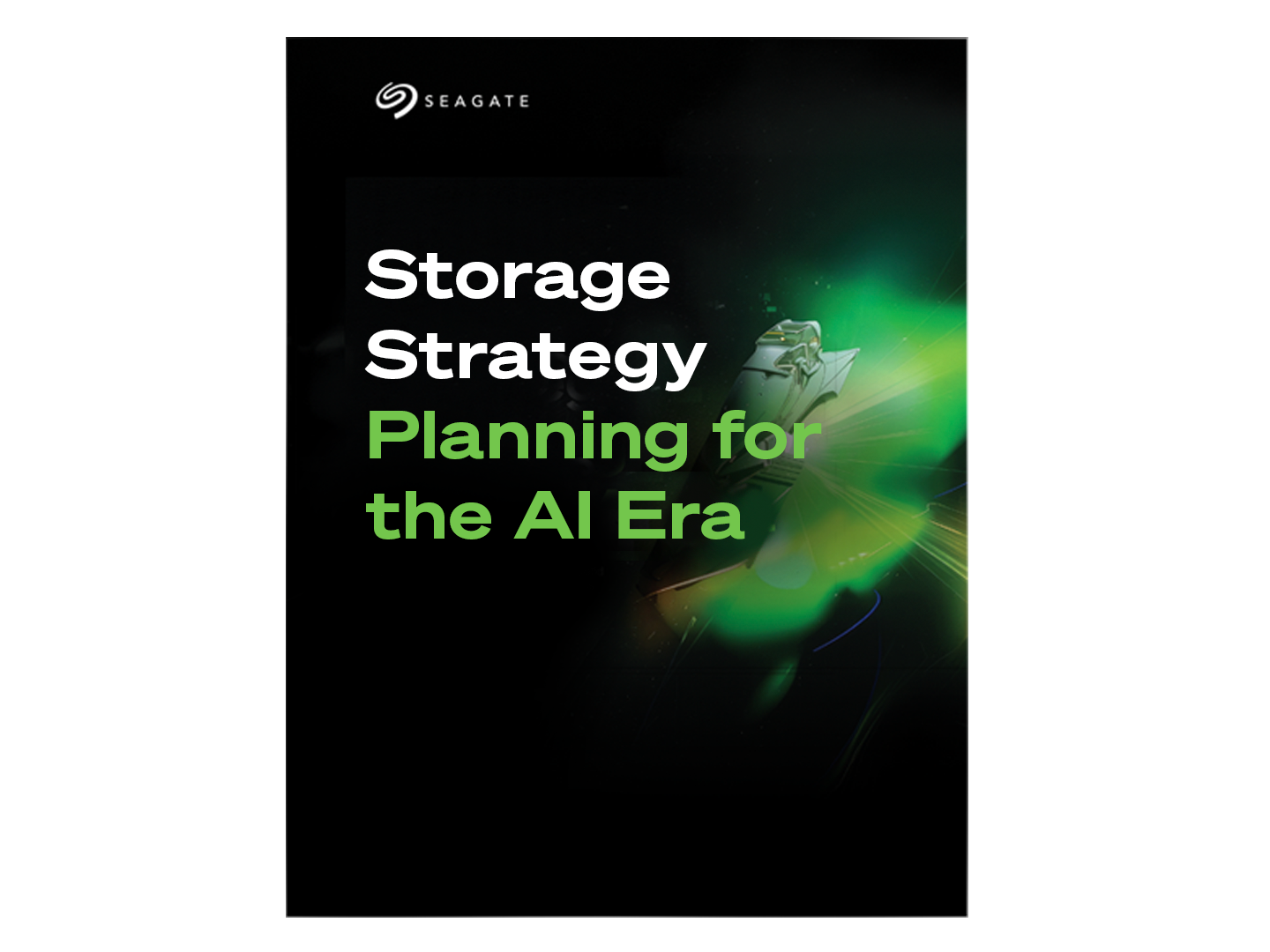
En savoir plus : Grâce à l’outil d’évaluation de la stratégie de stockage de Seagate, évaluez votre stratégie et identifiez les possibilités de mettre en place une infrastructure plus flexible et prête pour l’avenir.





.png/_jcr_content/renditions/4-3-small-416x312.png)

-v4.png/_jcr_content/renditions/4-3-medium-688x516.png)